
Pharma Blog

Prediabetes | A Silent Disease
Prediabetes are mostly silent diseases (without any signs or symptoms). It’s common and reversible. You can prevent or delay prediabetes from turning into type 2 diabetes with simple, proven lifestyle changes. What Is Prediabetes? Prediabetes is a serious health condition where blood sugar levels are higher than normal, but not ... Read More
Data Quality Framework (DQF) for EU Medicines Regulation
Data Quality (DQ) In general terms, quality is defined as an attribute of a product or service that defines the degree to which it meets customer and other stakeholder needs within statutory and regulatory requirements or its fitness for intended use. Where Data quality is defined as: “fitness for purpose ... Read More

Difference Between Batch Record and Master Batch Record
To ensure quality and safety in pharmaceutical production, Good Manufacturing Practices (GMP) require detailed documentation of production processes. What is a master batch record? A master batch record (MBR), also known as a master production record (MPR) is a document that contains the approved ingredients, formulation, and instructions guiding the ... Read More

Pharmaceutical Quality by Design Tools
Prior Knowledge Knowledge may be defined as a familiarity with someone or something, which can include information, facts, descriptions, and/or skills acquired through experience or education. The word “prior” in the term “prior knowledge” not only means “previous,” but also associates with ownership and confidentiality, not available to the public. ... Read More

Phases of a Technology Transfer Project in Pharmaceutical Industry
The technology transfer project plan can be divided into four different phases. These include: Phase I: Project initiation During the initiation phase of the project, a unit normally identifies the need for the technology transfer. This may be due to a lack of capacity, a transfer from development to commercial ... Read More

Benefits of Pharma 4.0
Pharmaceutical manufacturers face many unique challenges in this remarkable era. While technological advancements have multiplied opportunities for process improvements, regulatory oversight has allowed adoption compared to other industries. There are stringent requirements for documentation, process validation, and data integrity to create an environment where compliance outweighs continuous improvement. Pharma 4.0 ... Read More

Top Trends of Pharma 4.0
Faster production The pharmaceutical industry is shifting from producing drugs for the masses to high-value treatments. Manufacturing life savingdrugs in low volumes complicates the manufacturing process as the latter is just as rigorous and time-consuming as the mass production workflows. Low volume production faces challenges because there are fewer batches ... Read More

Dietary Reference Intakes for Vitamin C (Ascorbic Acid)
Primary function: Antioxidant; enzyme cofactor for carnitine, collagen, neurotransmitter biosynthesis; modulates absorption, transport, storage of iron. Selected sources: Citrus fruits, sweet peppers, kiwifruit, broccoli, strawberries, brussels sprouts, cantaloupe. Dietary Reference Intake Vitamin C functions physiologically as a water-soluble antioxidant by virtue of its high reducing power. It is a cofactor ... Read More
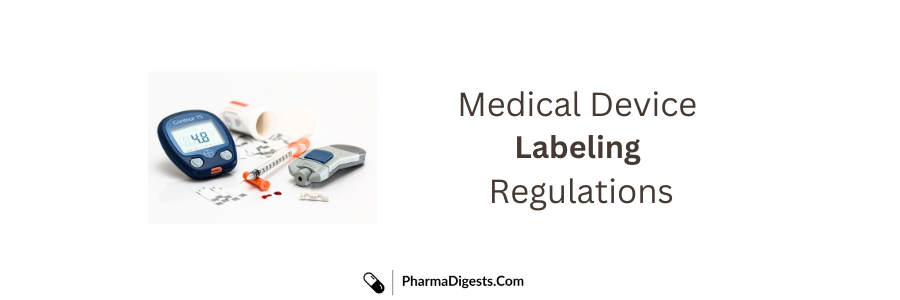
Medical Device Labeling Regulations
Prominence and Conspicuousness: According to FDA regulations, all required information on medical device labels must be highly visible and easily understood. This is essential to ensure that users can access important information about the device when making a purchase. The failure of label information to meet these requirements can result ... Read More

Difference Between CBER and CDER
𝗖𝗕𝗘𝗥 (𝗖𝗲𝗻𝘁𝗲𝗿 𝗳𝗼𝗿 𝗕𝗶𝗼𝗹𝗼𝗴𝗶𝗰𝘀 𝗘𝘃𝗮𝗹𝘂𝗮𝘁𝗶𝗼𝗻 𝗮𝗻𝗱 𝗥𝗲𝘀𝗲𝗮𝗿𝗰𝗵) 𝗥𝗲𝗴𝘂𝗹𝗮𝘁𝗼𝗿𝘆 𝗔𝘂𝘁𝗵𝗼𝗿𝗶𝘁𝘆: CBER regulates biological products, which are complex substances derived from living organisms or their byproducts. These products include vaccines, blood products, gene therapies, tissues, and medical devices that contain biological components. 𝗥𝗲𝘃𝗶𝗲𝘄 𝗣𝗿𝗼𝗰𝗲𝘀𝘀: CBER reviews applications for Biologics License Applications (BLAs) ... Read More

Tips for Effective Pharmacovigilance Reporting of Adverse Events
As a pharmaceutical professionals, it’s our duty to ensure that any adverse events related to drug use are reported accurately and efficiently. Here are 10 essential tips to enhance the effectiveness of your Pharmacovigilance reporting: PROMPT REPORTING It’s crucial to report adverse events as soon as they are identified. Timely ... Read More