
Pharma Blog

Glomerulonephritis (GN)
Glomerulonephritis (GN) is a group of kidney diseases that involve inflammation of the glomeruli, which are the filtering units of the kidneys. Here are some key points about GN: Types of Glomerulonephritis: 1. Acute glomerulonephritis: Sudden onset of inflammation and damage to the glomeruli. 2. Chronic glomerulonephritis: Long-term inflammation and ... Read More
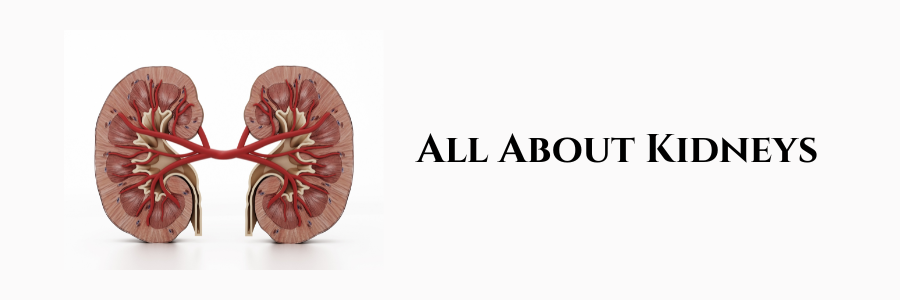
All About Kidneys
Anatomy and Structure Location: Kidneys are located on either side of the spine, just below the ribcage, in the retroperitoneal space. Shape and Size: Each kidney is bean-shaped, typically about 10-12 cm. Components: Functions of the Kidneys Filtration: Regulation of Homeostasis: Hormone Production: Blood Pressure Regulation: Detoxification: Diagnostic Tools Blood ... Read More

Incisions of Abdominal Surgery
1. Midline Incision 2. Paramedian Incision 3. Transverse Incision 4. Kocher Incision 5. McBurney Incision 6. Lanz Incision 7. Pfannenstiel Incision 8. Battle’s Incision 9. Rutherford-Morrison Incision These incisions are selected based on factors such as: Read also: Resource Person: Akmal K. Ishak

Why Protein Folding Matters?
Proteins are tiny machines that must fold into the right shape to work. Imagine folding a piece of paper into a paper airplane. If the folds are done right, you get a perfect flying airplane. One wrong fold? It doesn’t fly—it falls apart. That’s exactly how proteins behave. Why Is ... Read More

DNA Extraction Process
DNA extraction is more than just a lab technique; it’s a process rooted in biochemistry and molecular biology principles. 1. DNA extraction A process of isolating DNA from cells or tissues to study its structure, sequence, or function. This process involves breaking open cells, separating DNA from other cellular components, ... Read More
What Makes a Protein Functional?
Proteins are not just strings of amino acids they are complex, highly structured, dynamic molecule that must fold correctly to function properly. But what exactly determines whether a protein is functional? Here are some factors that determine proteins functionality: Primary Structure Protein Folding Post-Translational Modifications (PTMs) Molecular Interactions Environmental factors ... Read More
Conducting BE Studies for NTI Drugs
Here’s a detailed explanation of how bioequivalence (BE) studies are conducted for narrow therapeutic index (NTI) drugs, including regulatory expectations, study design, analytical methods, and statistical analysis: Detailed Overview: Bioequivalence Study for NTI Drugs What are NTI Drugs? NTI (Narrow Therapeutic Index) drugs are those where small differences in dose ... Read More

DCP vs. MRP | Choosing the Right Regulatory Pathway in the EU
Navigating the European regulatory landscape can be complex, especially when seeking approval for medicinal products across multiple countries. Two key procedures streamline this process: Decentralized Procedure (DCP) and Mutual Recognition Procedure (MRP). While both facilitate multi-country approvals, understanding their differences is essential for strategic regulatory planning. Decentralized Procedure (DCP) DCP ... Read More

Handling Conflicting Regulatory Requirements | A Strategic Approach
In global regulatory affairs, one of the most complex challenges we face is resolving conflicting requirements from different regulatory bodies. Each agency has its own set of expectations, shaped by regional regulations, scientific perspectives, and risk tolerance. Navigating these differences requires a strategic, risk-based approach to ensure compliance while maintaining ... Read More

The Secrets of Good Peak Shape in HPLC
Achieving good peak shape in HPLC is essential for accurate quantitation, improved resolution, and extended column lifetime. A well-shaped peak is symmetrical, with a tailing factor of ~1.0, high efficiency, and narrow peak width. Key Factors Influencing Peak Shape Column Selection & Chemistry Silica Purity & Acidity: Specialized Phases: Mobile ... Read More

Ways to Extend the Lifespan of C18 Columns & Guard Columns
Use a Guard Column Filter and Degas Mobile Phase Use Proper pH and Buffer Conditions Regular Column Flushing Avoid Prolonged Exposure to Aqueous Buffers Inject Clean Samples Optimize Flow Rate and Pressure General Precautions Before Cleaning Initial Rinse (Removing Buffer and Salts) Purpose: To remove any buffer salts that may ... Read More