
Clinical Pharmacy

Oral Medication with Food versus When Fasted
Do we know there is a difference when we take medication orally with food versus when fasted? In a field known as pharmacokinetics, we measure the drug levels in blood with time. When we take medication orally, the blood drug concentration will increase to a maximum value (Cmax) at a ... Read More

Differential Binding of Drug to Plasma Proteins and Tissue Proteins
Do we know that substances in blood are being transported around our body by vehicles known as ‘plasma proteins’? In a field known as pharmacokinetics, scientists study how the differential binding of drug to plasma proteins and tissue proteins defines how extensively the drug is being distributed to the bodily ... Read More
Why Vape Laced with Etomidate is Dangerous?
In brain, etomidate binds to and activate gamma-alpha butyric acid (GABA) receptor. This causes amnesia (forgetfulness), ataxia (unstable movement) and confusion. It further affects ‘wiring’ of a small part of the brain (hippocampus) and may retard brain development of young vapers. It also suppresses hormone and affects kidney and lung ... Read More

Alfentanil Interaction with Rifampin
Alfentanil is a potent, short-acting analgesic drug used for anesthesia in surgery. When alfentanil is administered to patients who were pre-treated with rifampin, an anti-tuberculosis drug, its level in our body (i.e. systemic exposure), was reduced 2- to 3-fold! A question arises: What are the rationales behind this interaction? Another ... Read More
Factors Affecting on Clearance of Apixaban
As we develop drugs to be more stable in our body (i.e. less prone to be broken down by liver), guess what is another route that the drugs are being eliminated from our body? It is intestinal excretion of drugs from the blood circulation to the intestinal lumen and out ... Read More
Removal of Drugs from Kidneys
There are three processes that contribute to the removal of drugs in our kidneys. A question arises: How can we easily predict the relative contributions of these 3 processes? Simple solution: Compare renal clearance (CLR) and filtration clearance (CLf)! We may further ask: how do we calculate CLR and CLf? ... Read More
Can You Crush a Tablet Before Taking It?
Whether it’s for your grandma who can’t swallow, or your child who hates medicine… many of us have crushed tablets thinking it’s harmless. But did you know? Not every tablet is made for that. Let’s break it down simply: Tablets You Should NEVER Crush: 1. Enteric-Coated Tablets (EC) 2. Extended-Release ... Read More
Can You Store Tablets in the Fridge?
Short Answer: No, unless the label or pharmacist says so. Why You Shouldn’t Refrigerate Tablets? 1. Condensation = Killer 2. Not Designed for Cold 3. Packaging Breakdown When Fridge Is Okay for Medicines? Only store in the fridge if the label or pharmacist clearly says: “Store at 2–8°C” Examples: Insulin, ... Read More
Glomerulonephritis (GN)
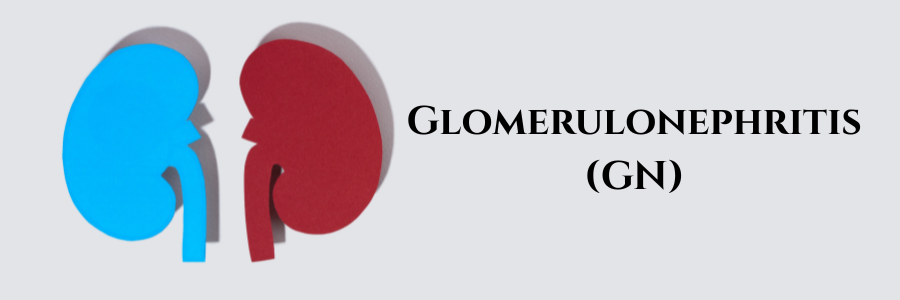
Glomerulonephritis (GN) is a group of kidney diseases that involve inflammation of the glomeruli, which are the filtering units of the kidneys. Here are some key points about GN: Types of Glomerulonephritis: 1. Acute glomerulonephritis: Sudden onset of inflammation and damage to the glomeruli. 2. Chronic glomerulonephritis: Long-term inflammation and ... Read More
Novel Polymers in Drug Delivery
From the precision of controlled drug release with Hydroxypropyl Methylcellulose (HPMC) to the sophistication of targeted delivery systems using Polyethylene Glycol (PEG), novel polymers are reshaping the landscape of drug development. Let’s dive into the realms of innovation and unlock the possibilities! Advantages of PLGA (Poly(lactic-co-glycolic acid)) Real-time Examples of ... Read More
Biodegradable Polymers in Drug Delivery
Exploring the eco-friendly side of pharmaceuticals with biodegradable polymers like Polylactic Acid (PLA). Learn how these sustainable materials are making waves in drug delivery, providing therapeutic benefits while minimizing environmental impact. Advantages of PLA in Drug Delivery Real-time Examples of PLA in Drug Delivery Read also: Resource Person: Pradip Kokane